Advancing Family Wellbeing & Child Development
Family Foundations Lab

Our multidisciplinary team is based at Simon Fraser University in Burnaby, BC, Canada. The Family Foundations Lab aims to optimize child development through an integrated focus on family wellbeing and parenting capacity. Using observational and intervention-based research, we study children’s socioemotional development within the family, biological, and social context that shape everyday life. Led by Dr. Emily Cameron, we investigate risk and protective factors that impact child development and then use that knowledge to create programming to better support families. Our goal is to support all families to raise happy and healthy children.
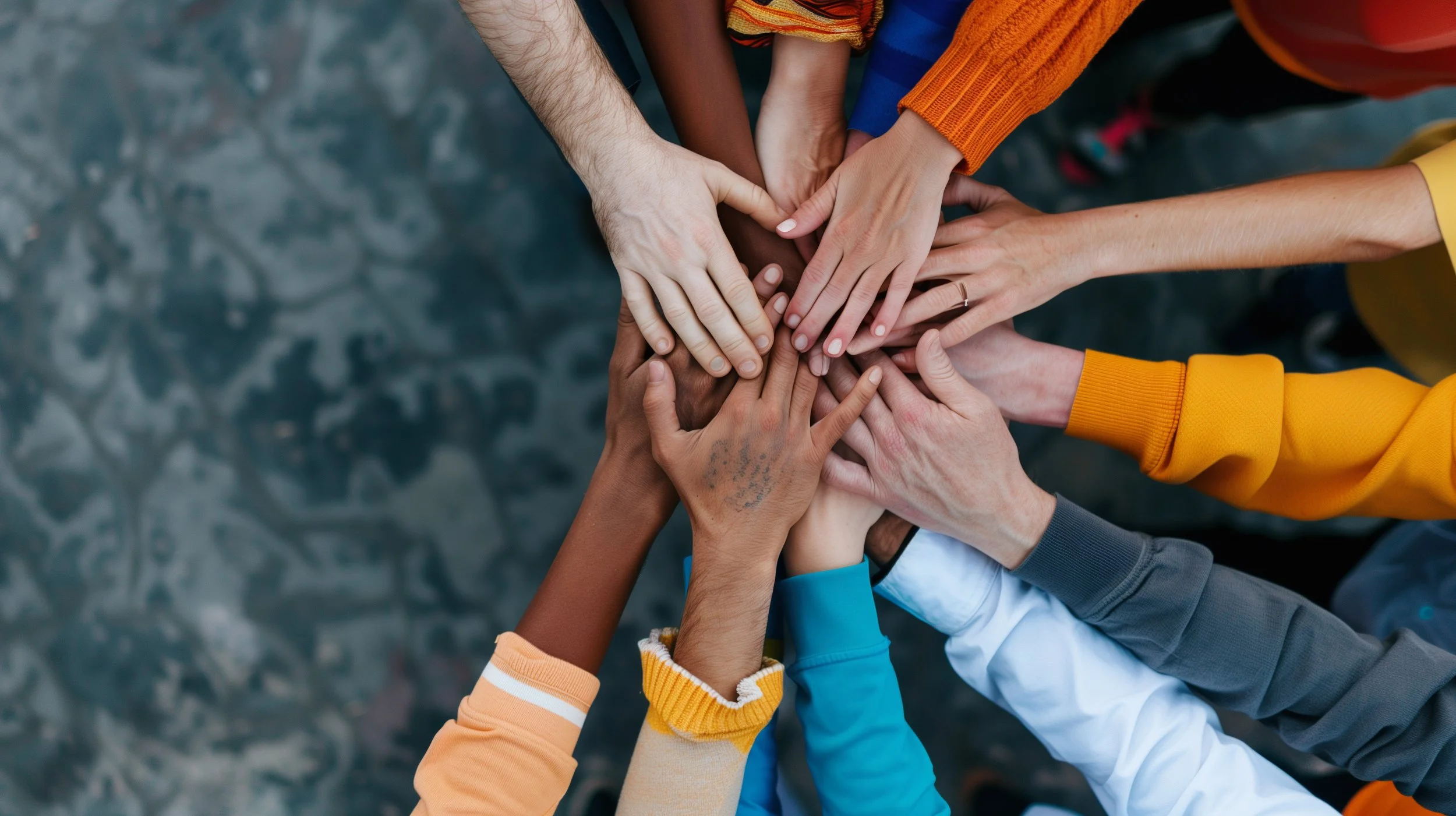
We investigate how to best support child development and family well-being from pregnancy to adulthood. We focus on identifying risk and protective factors that can then inform scalable interventions for children, parents, and families.
Our Team
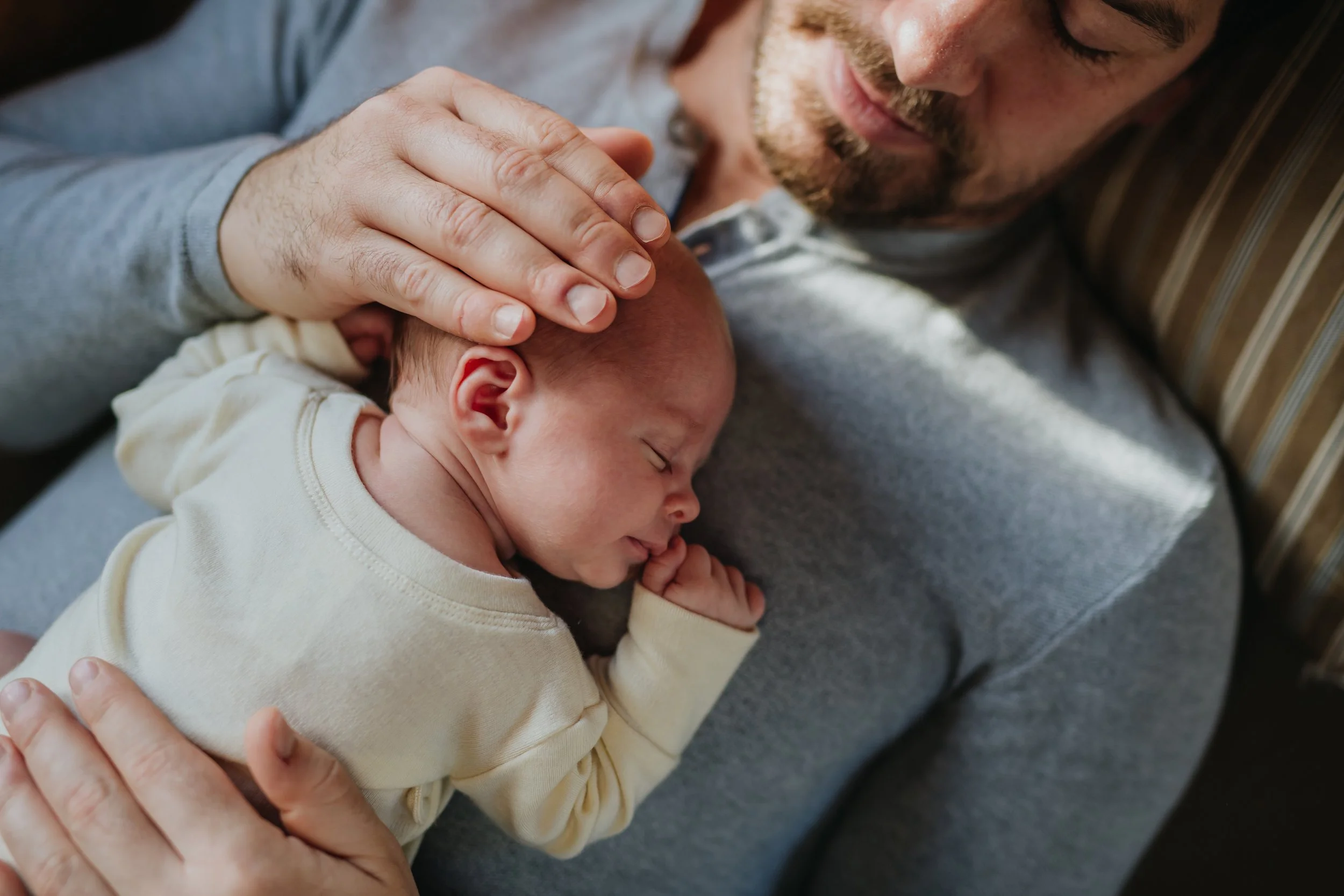
The Family Foundations Lab team is comprised of multidisciplinary trainees across undergraduate and graduate levels. We work with diverse researchers, patient-partners, clinicians, and knowledge users across Canada and beyond!
Our Research
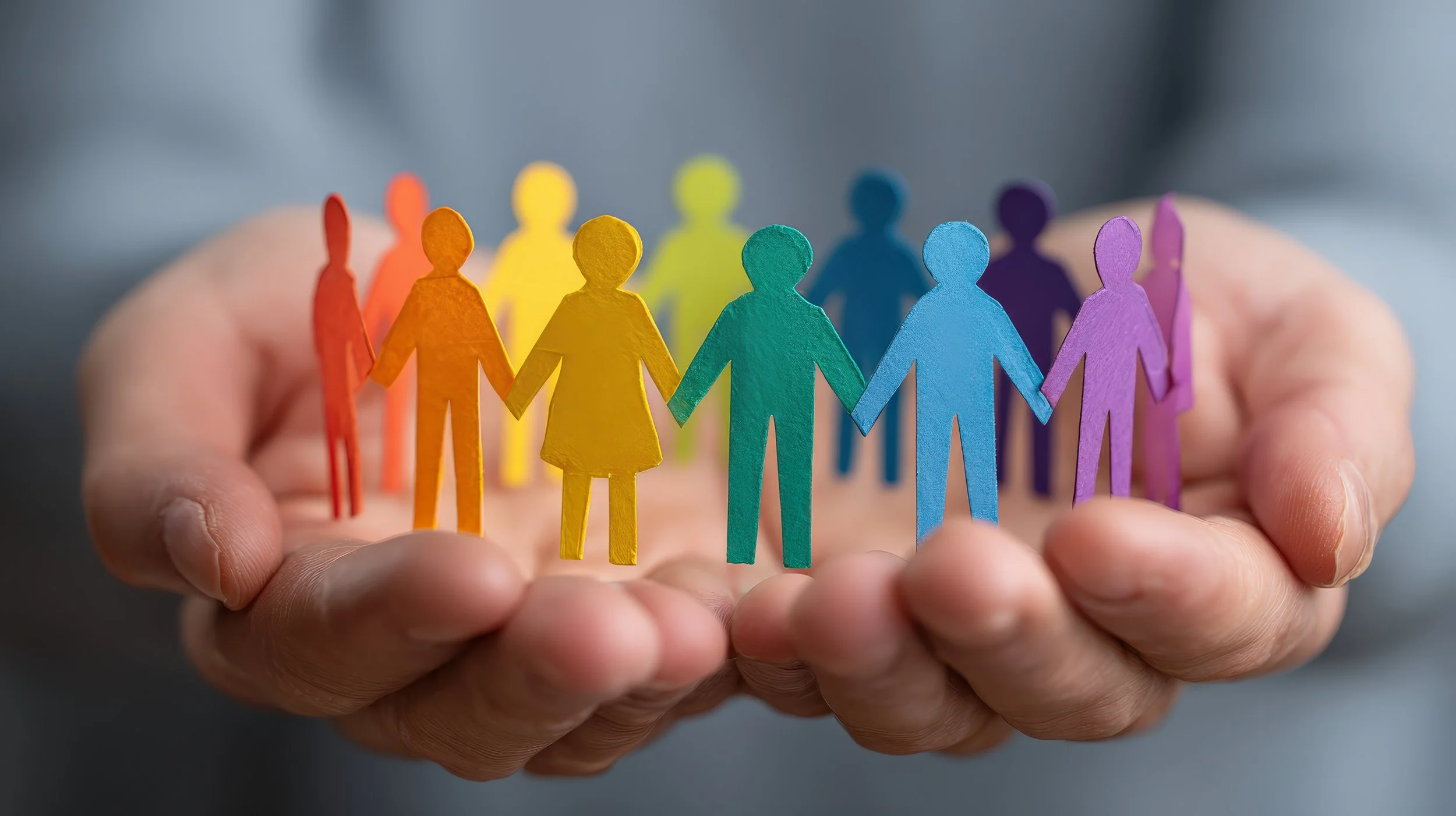
The knowledge creation from our research is shared in many avenues. We aim to communicate our findings with all individuals who may benefit from this work as well as engage in knowledge exchange to better learn how to support families.
Our Outputs

Land Acknowledgement
Our team respectfully acknowledges the xʷməθkʷəy̓əm (Musqueam), Sḵwx̱wú7mesh Úxwumixw (Squamish), səlilwətaɬ (Tsleil-Waututh), q̓íc̓əy̓ (Katzie), kʷikʷəƛ̓əm (Kwikwetlem), Qayqayt, Kwantlen, Semiahmoo and Tsawwassen peoples on whose unceded traditional territories our campuses and research institutes reside.
Our Values and Mission
We aim to respect and advance equity, diversity, inclusion, and decolonization through our research, teaching, self-education, community engagement, and science communication. Through this work, we strive to support and celebrate diversity in families, including (but not limited to) age, gender identity and expression, sexual identity, racial and ethnic backgrounds, newcomer and immigrant status, language, religion, neurodiversity, disability, socioeconomic status, and culture. We recognize that this work and our place at the university operates within systems of institutional power and inequities. We are dedicated to utilizing our resources and privilege to support equity-deserving families, communities, and trainees. We approach this work from a place of humility and commitment to lifelong learning to better serve the children, families, and communities with whom we walk alongside.